The cosmos of the small things
Professor Harald Meller is also Director of the State Museum of Prehistory. His exhibitions are notable for the way he presents and communicates the latest scientific findings through them. The focus is often on findings from Saxony-Anhalt, researched by international teams and ultimately showcased at the State Museum in Halle.
I am Harald Meller, Director of the State Office for Heritage Management and Archaeology and the State Museum of Prehistory. I coordinate, so to speak, the archaeological research for the state and the excavations, but also, of course, the exhibitions, which is very practical because the new discoveries and the exhibitions then come together.
Various researchers have devoted themselves to studying the smallest remains in the shamaness grave – what were you looking for?
Well, if you had told me 20 or even 10 years ago that feather fragments could be found in normal sediment, I would have considered it completely improbable. Now I am absolutely enthralled by the fact that fragments of feathers, of hair, and, of course, pollen – but we knew that - can be identified, especially in the soil chemistry, and that the DNA of animals can also be detected in the sediment. And that is changing archaeology forever, because you have to imagine that until now, we have been unable to detect any of these organic materials, or only under the most favourable conditions, and this is incredibly exciting.
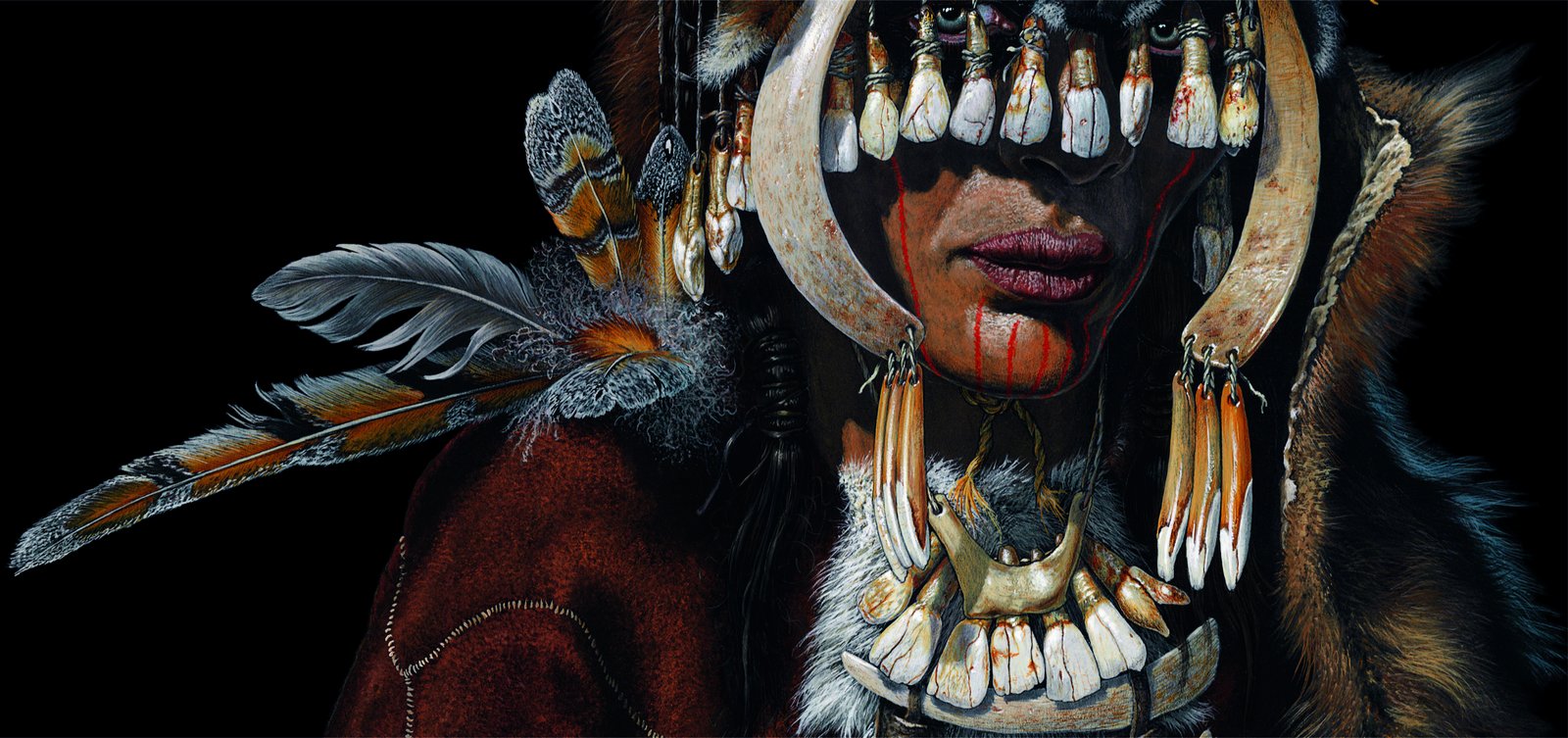
Up until a few years ago, it was virtually impossible to detect feathers or fur in prehistoric finds under normal preservation conditions.
©LDA Sachsen-Anhalt, drawing: Karol Schauer
One example: Prof. Glaser from the Martin Luther University discovered ‘black carbon’ in sediment – why is this significant?
Black carbon refers to either charred material or black hair. In this case, it was probably animal hair, because there was too little of it to be charred material. And the fact that black animal hairs can be verified here, where there are already so many animal remains in the grave, is something I find completely fascinating and would never have thought possible. What is possible today with soil chemistry and the other methods is simply incredible.
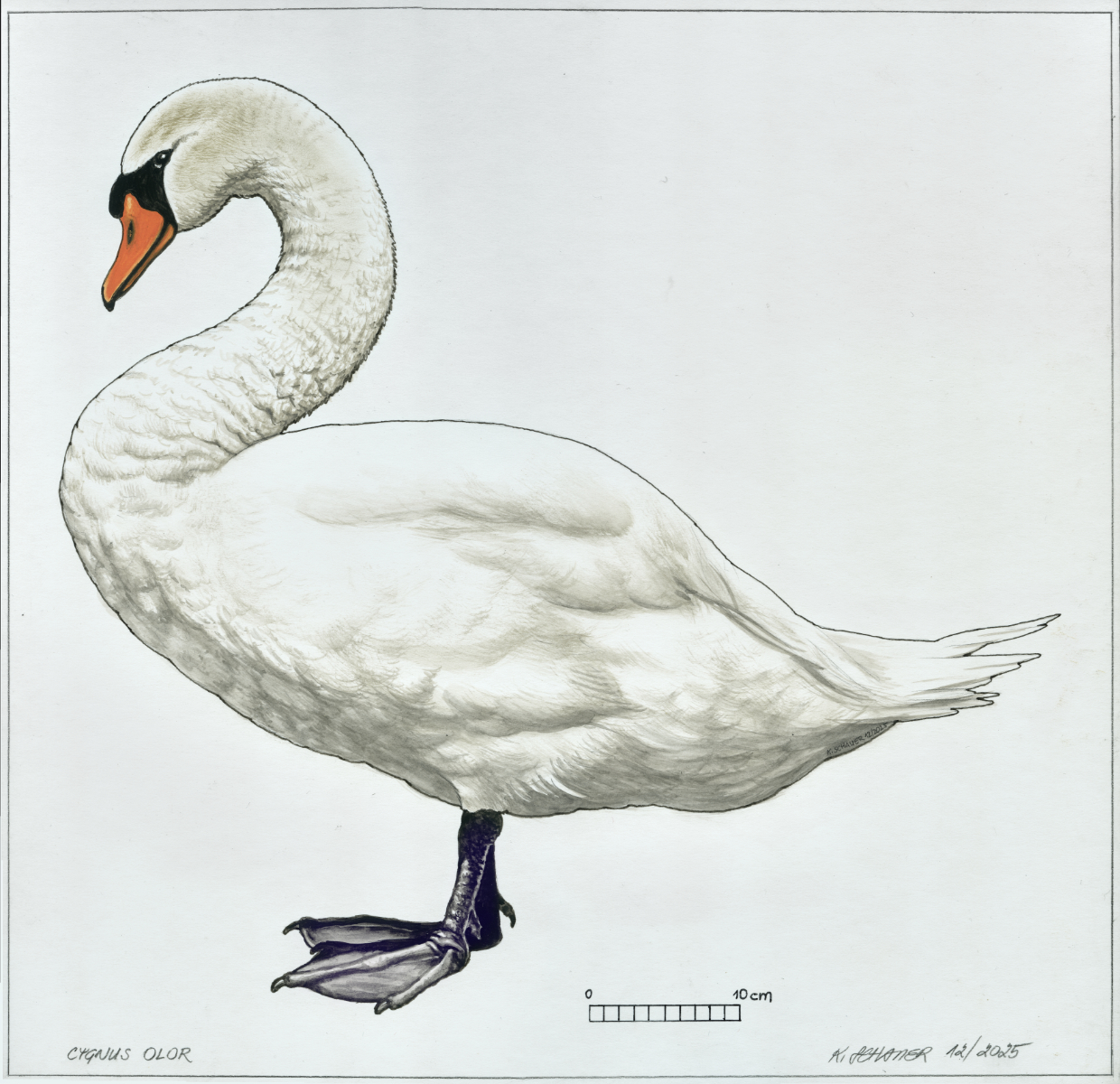
Using micro-remains, researcher Prof. Tuija Kirkinen was able to prove that feathers had once been present in the shaman’s grave. These may have come from swans or geese – with swans known to be found in archaeological and ritual contexts.
©LDA Sachsen-Anhalt, drawing: Karol Schauer
What sounds almost like science fiction is that DNA can now be detected in the soil. And the shamaness has a very specific haplogroup, as we call it, which can be used to identify her, and we found exactly this haplogroup in the soil. So, this is the ‘smoking gun’, the proof: human DNA is indeed present in the grave. This means that whole new worlds are opening up to us as archaeologists, and we can prove things which we never even dared to dream of before. But one thing should not be forgotten: all these remains, these feathers, this hair, this DNA are 9,000 years old! And they have survived, as if in a time capsule, to bring us the shamaness's message, to bring us the messengers of a foreign era. If we decipher and understand the whole thing, then we understand our world better. We immerse ourselves in a world where there were no wars, a world where there was no rich nor poor. In a world completely different, but actually the true living environment of human beings. Because what we today consider normal only exists since one per cent of human history.
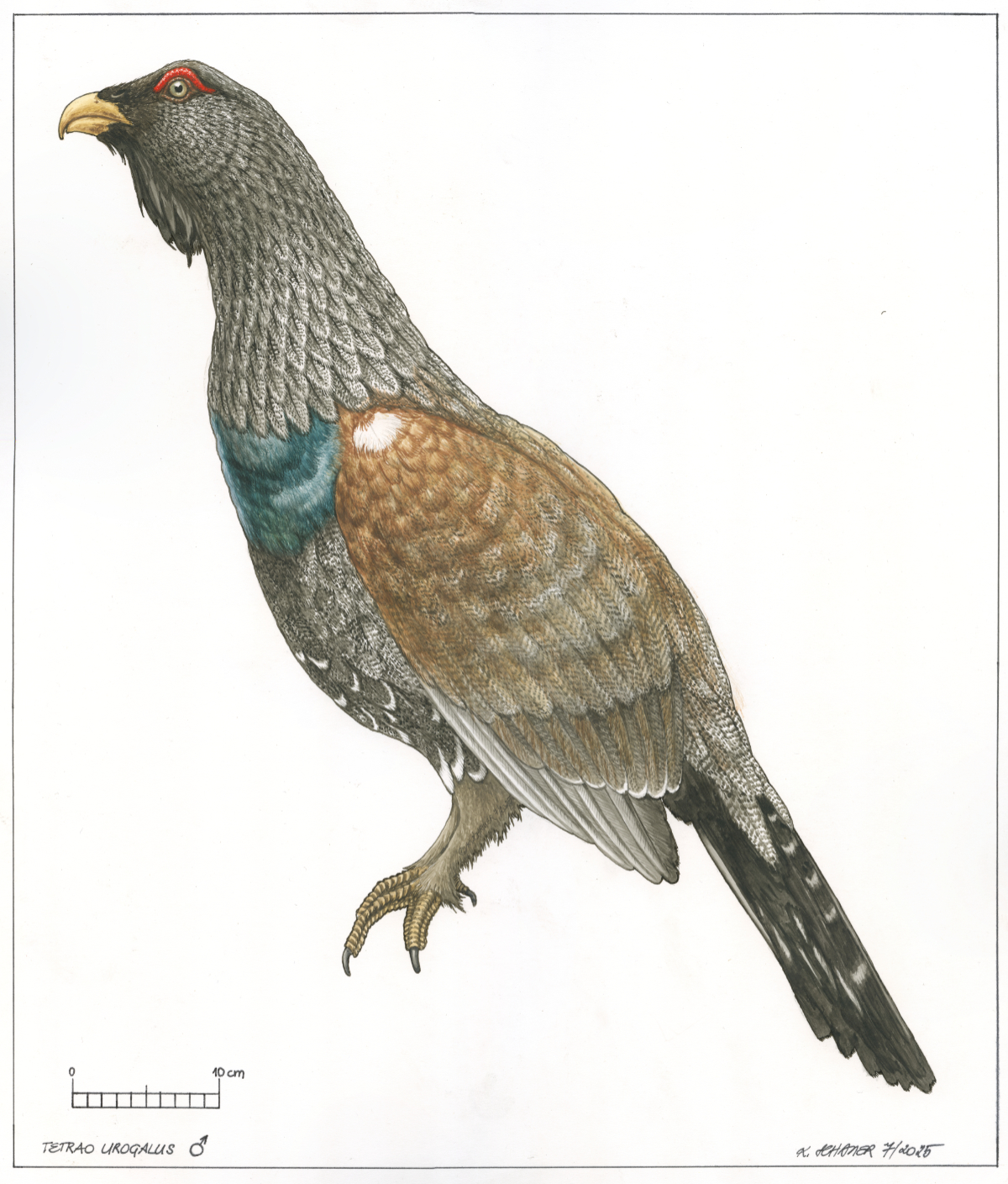
In the pit containing the antler masks, Tuija Kirkinen found remnants of various feathers that could belong to a capercaillie or a falcon.
©LDA Sachsen-Anhalt, drawing: Karol Schauer